What Becomes Visible Under Pressure
A Walk with Mehrdad Naraghi
Hadi Nasiri
In late fall of 2024, on a rainy afternoon around 2pm, Mehrdad and I entered Prospect Park from the east side through Garfield Street. The park was not empty, but it felt thinned out. Rain had flattened the soundscape. The paths were slick, the trees stripped back, the light already dull with that early winter reluctance New York specializes in. We began walking without urgency. The city remained around us, softened at the edges. Wet branches blurred the distance. Even before we started talking, the afternoon had already arranged itself like one of his photographs: withheld, compressed, not fully granting depth.
That is where I want to begin.
Not because Prospect Park explains Tehran, but because something in that walk arrived before language. The air had already organized perception. The scene was already thinking.
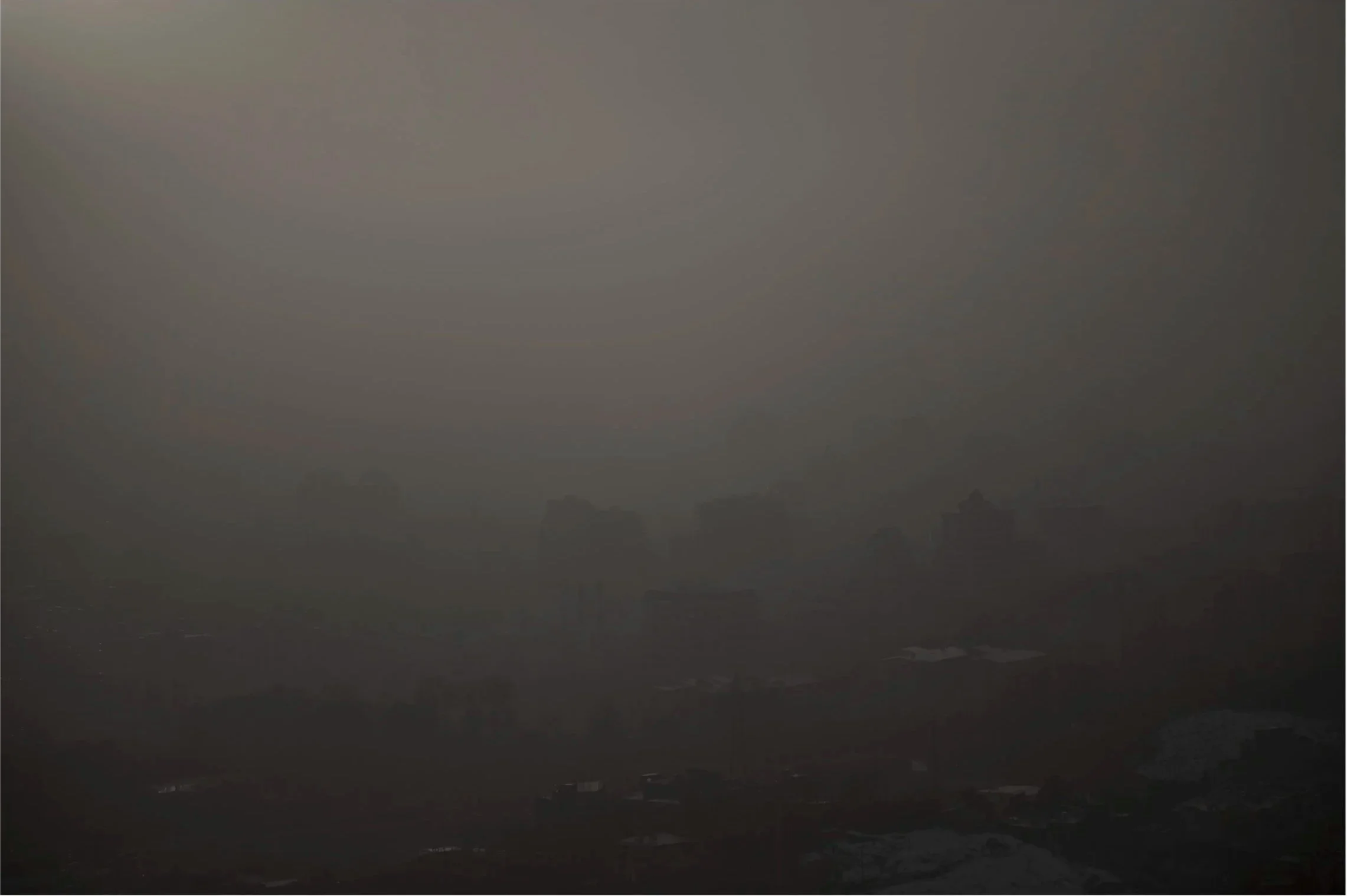
The city in The City does not arrive cleanly. It hesitates. What should be skyline appears as a thin, uncertain band, buildings barely separating themselves from the air. In one frame, a tower rises but never quite detaches from the haze around it; in another, the horizon dissolves before it can fully form. The atmosphere does not sit on top of the city. It works through it. The image compresses. Distance feels negotiated away, as if space itself has been quietly confiscated.
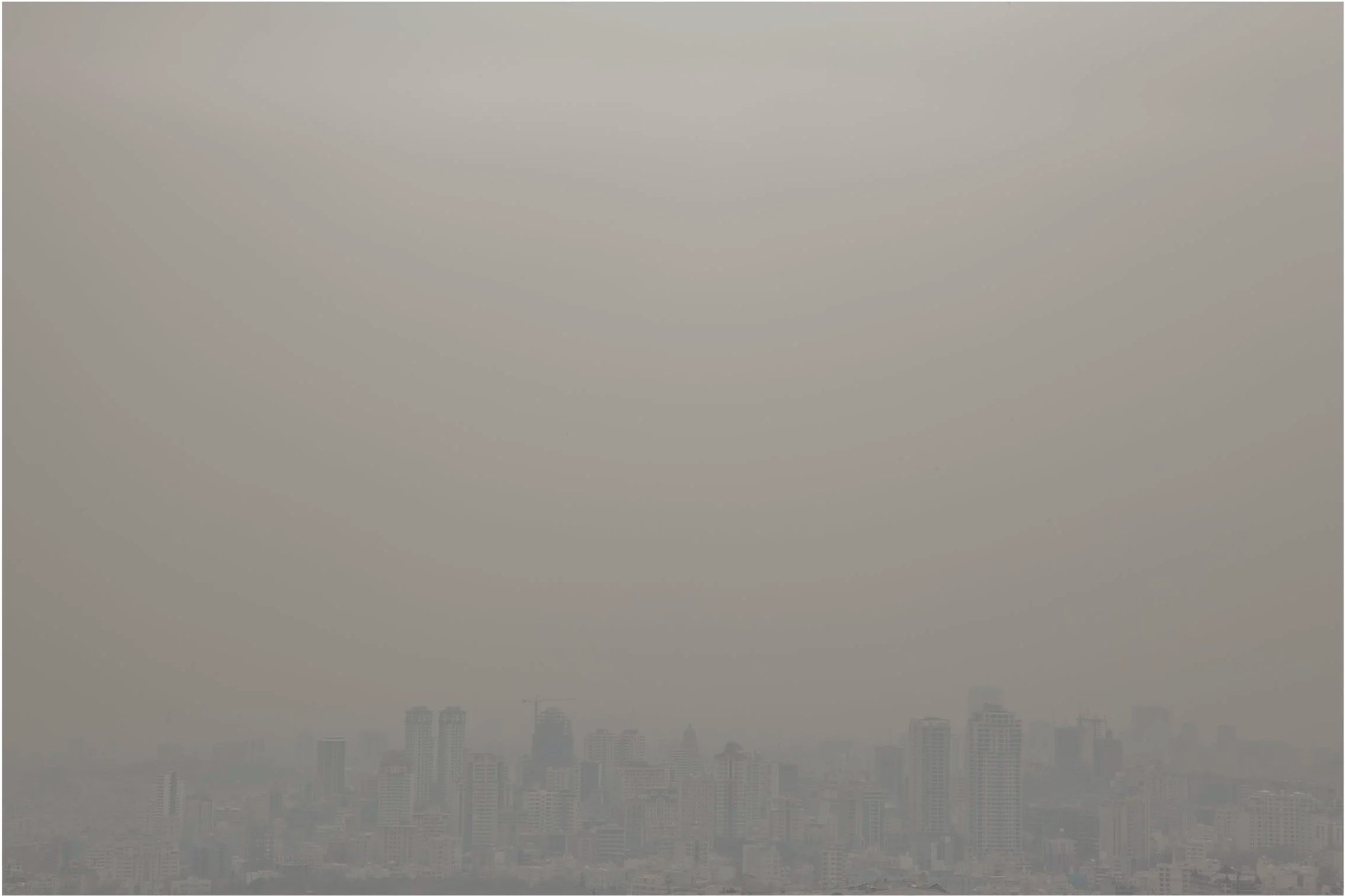
It would be easy to call this pollution. The word is ready, almost comforting in its familiarity. But the greyness resists that explanation. It is too consistent, too embedded to belong only to accident.
When I ask Mehrdad what produces this condition, he answers without hesitation.
“Poor governance produces this pollution, both literal and atmospheric. It is not only the contamination of air, but the accumulation of pressure imposed by a tyrannical system. Remove that force, and the image collapses entirely.”
He is not describing an image. He is describing the condition that makes the image possible.
“A system that seeks dominance does not want to be seen,” he continues. “Yet its effects become so pervasive that visibility becomes unavoidable. It reveals itself despite its own efforts to remain hidden.”
The contradiction lingers. Power withdraws, but its traces thicken. The skyline flattens. Architecture turns uncertain, almost provisional. Entire districts dissolve into a uniform field where nothing asserts itself fully.
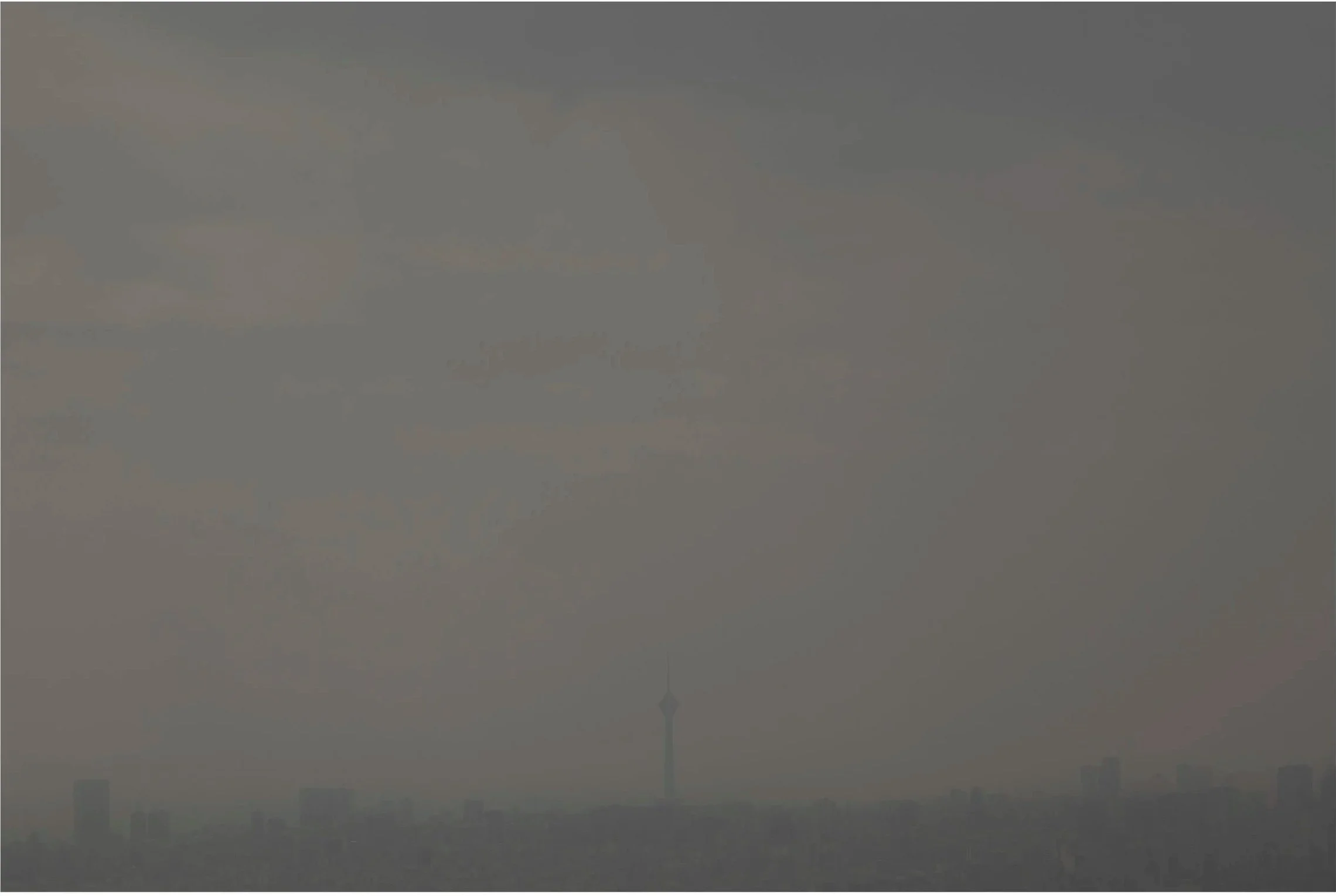
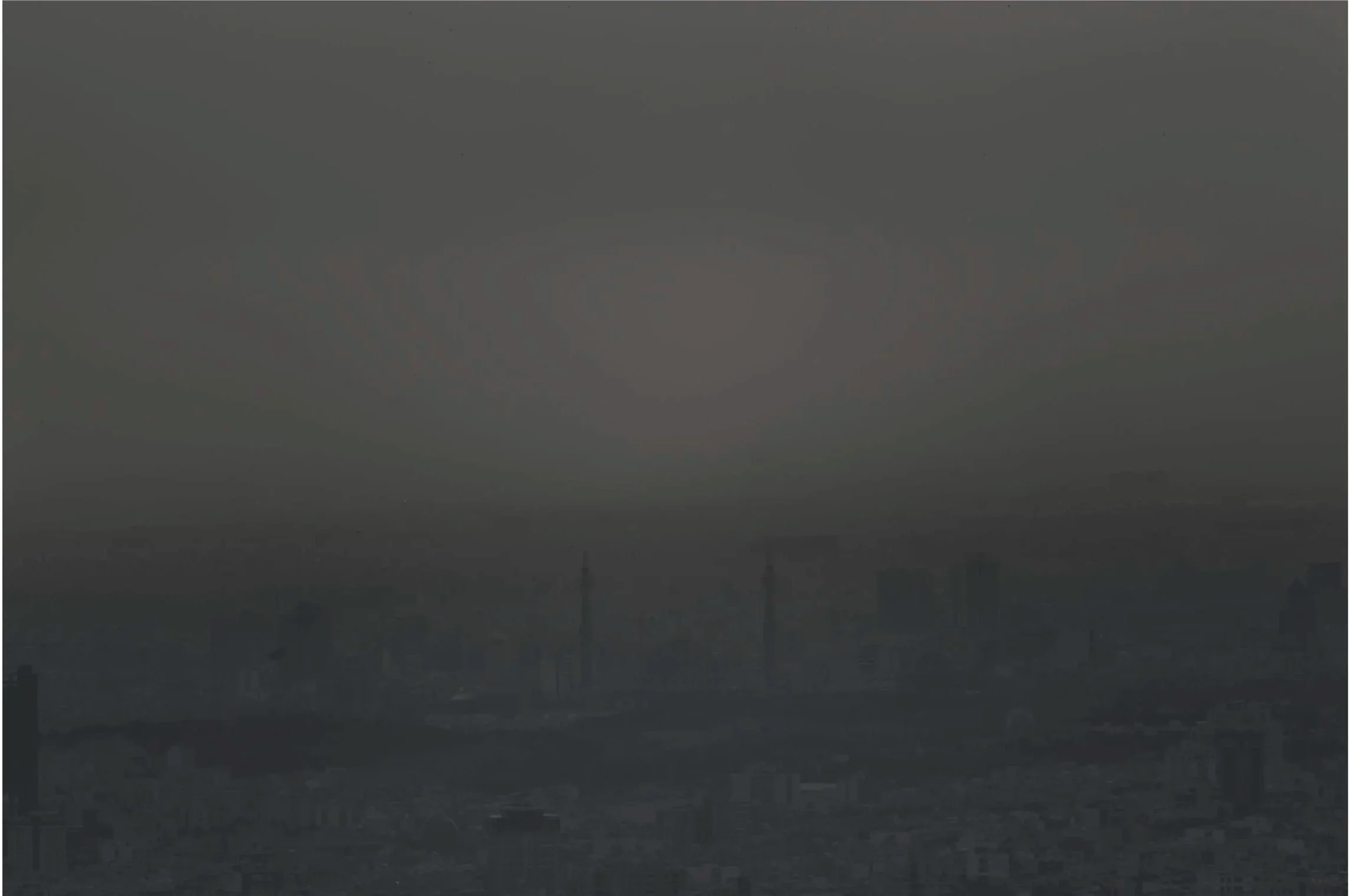
Somewhere in the distance, a mountain edge presses through the haze, faint, incomplete, as if the landscape is trying to remember itself.
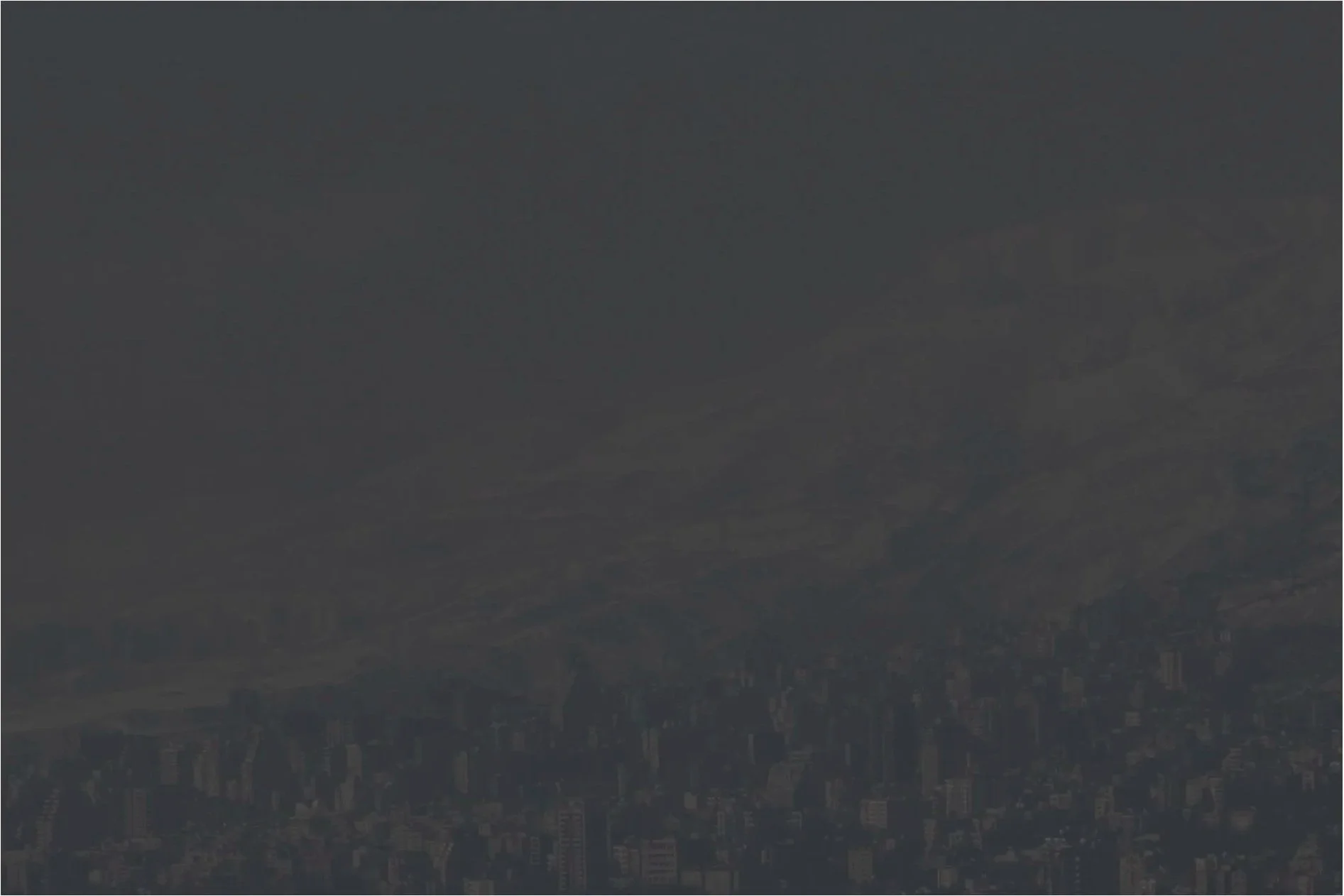
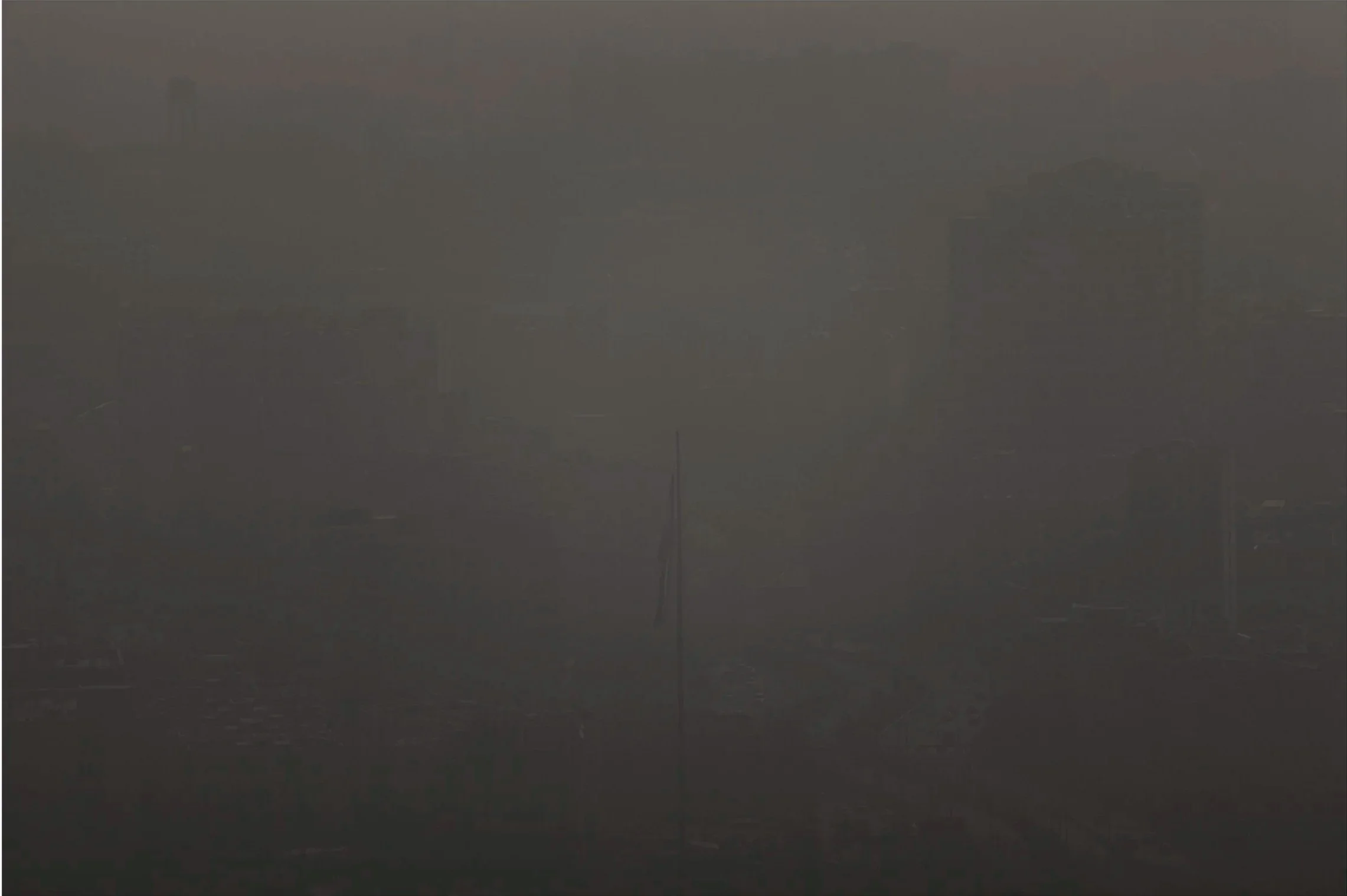
Nothing is missing. And yet something refuses to arrive.
As we move toward Dog Beach, the rain softens. The water is restless but not dramatic. Dogs keep running into and out of it with the kind of confidence only animals and empire seem to possess. We are already talking, but what stays is not a sentence. It is a pressure. The grey water, the low sky, and his insistence that what appears atmospheric is often administrative.
I press him on the work.
“Art does not necessarily offer safety,” he says. “It can disturb. The work functions as a document… but also as a confrontation.”
Then, quieter:
“A record of what it felt like.”
But feeling here is not private. It is distributed, environmental, infrastructural.
He pauses, then shifts the ground.
“I had an experience while showing The City in Tehran. Many viewers told me they felt suffocated just by looking at the photographs. It was striking that they felt more suffocated by seeing the reality they live in than by living it every day.”
The sentence stays between us.
“I think that is the power of the image,” he adds. “It forces you to confront what you already inhabit.”
And something fractures there.
If the image intensifies the condition more than life itself, then what exactly is it doing?
Is it revealing something hidden,
or producing another layer of pressure—one that belongs to the act of seeing itself?
The photograph holds what life cannot. Once produced, it leaves. It enters galleries, publications, institutions. It travels.
“But that’s the problem too,” he says. “It survives in places where the condition doesn’t.”
What travels is not clarity. It is something closer to obstruction—carried outward, reorganized, made available.
Even here, the structure exceeds the regime. The Islamic Republic produces the immediate force, but that force sits within a wider arrangement. Sanctions, financial exclusions, regional interests, geopolitical calculations—all gather around the same atmosphere.
I ask if that structure stops at the border.
“Power doesn’t stay contained,” he says. “It shifts form. But it keeps organizing what becomes visible.”
Near the waterfall, the walk changes tempo. The path narrows, and the sound of falling water thickens the conversation rather than interrupting it. The park remains intact, but something folds inward. The city recedes. The body comes forward.
“If the city cannot hold,” Mehrdad says, “the body does not escape that condition.”
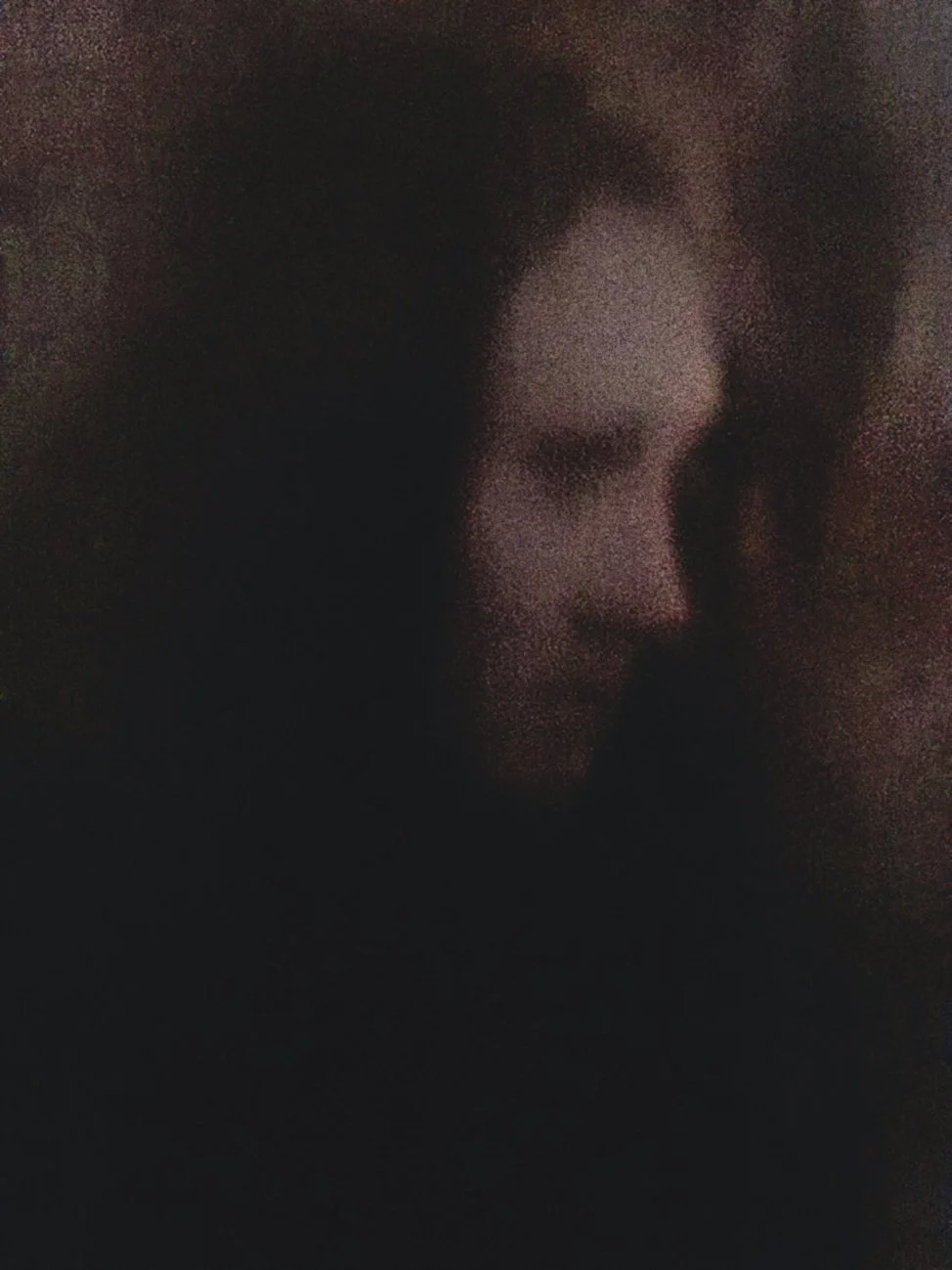
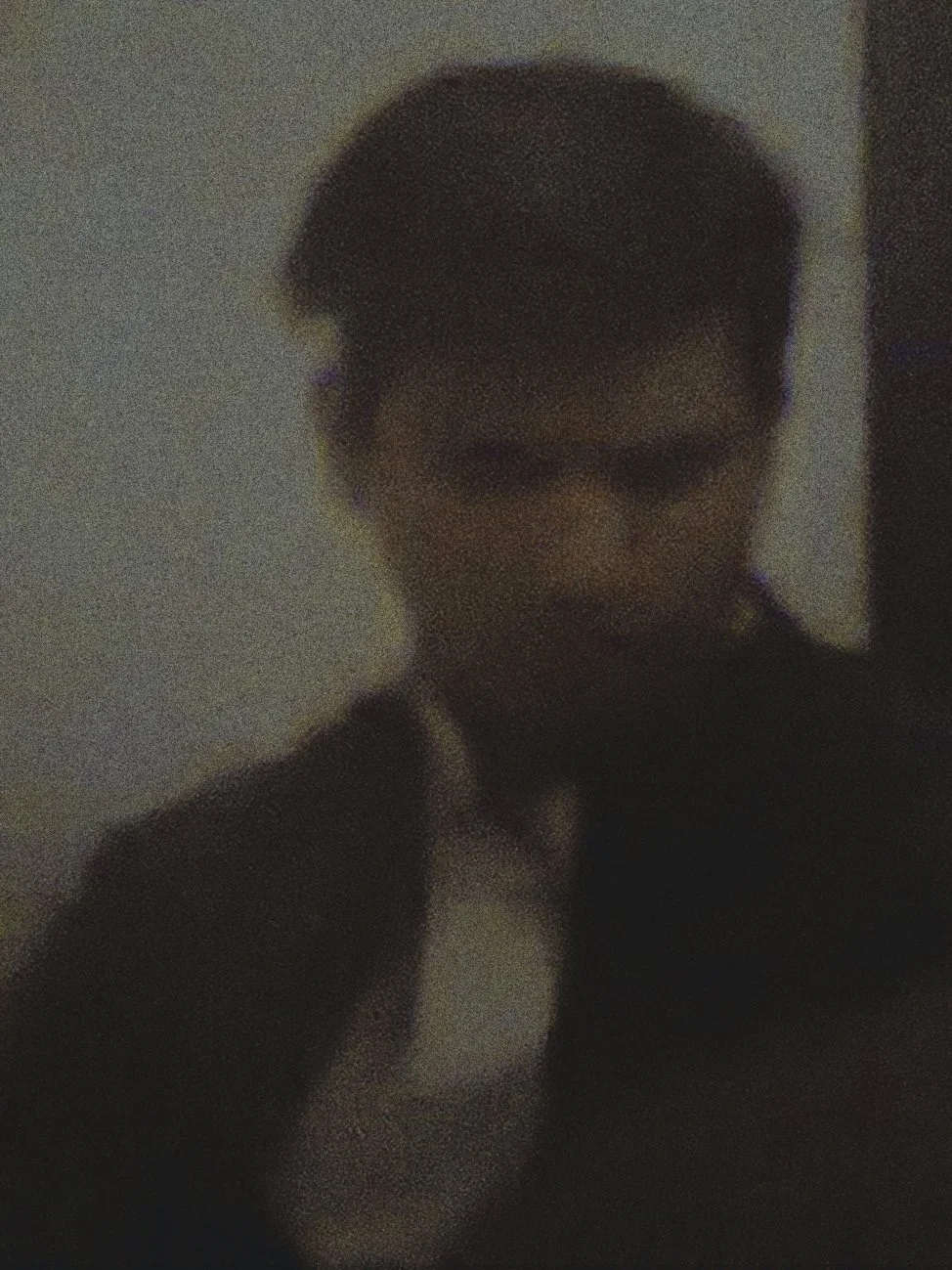
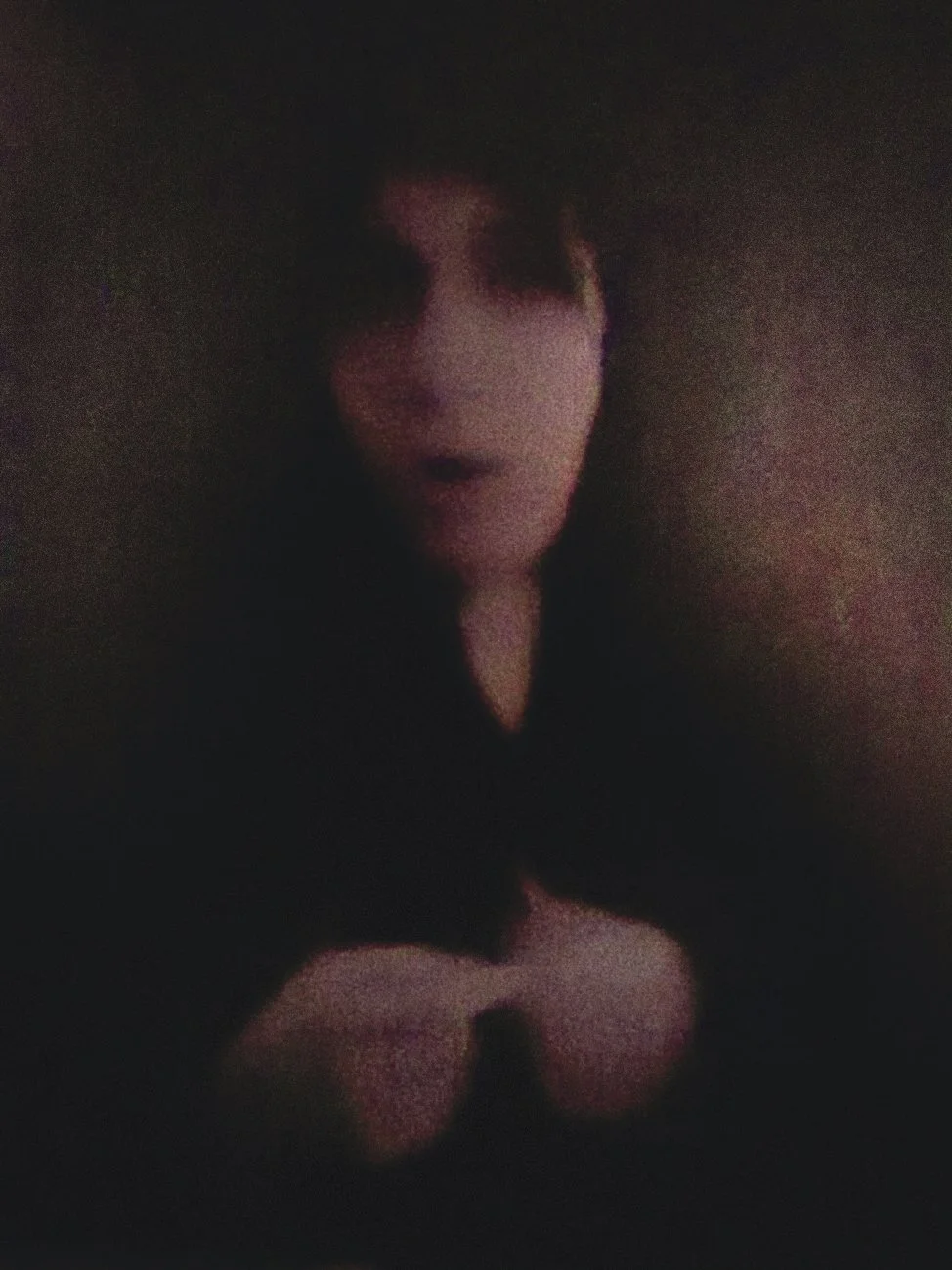
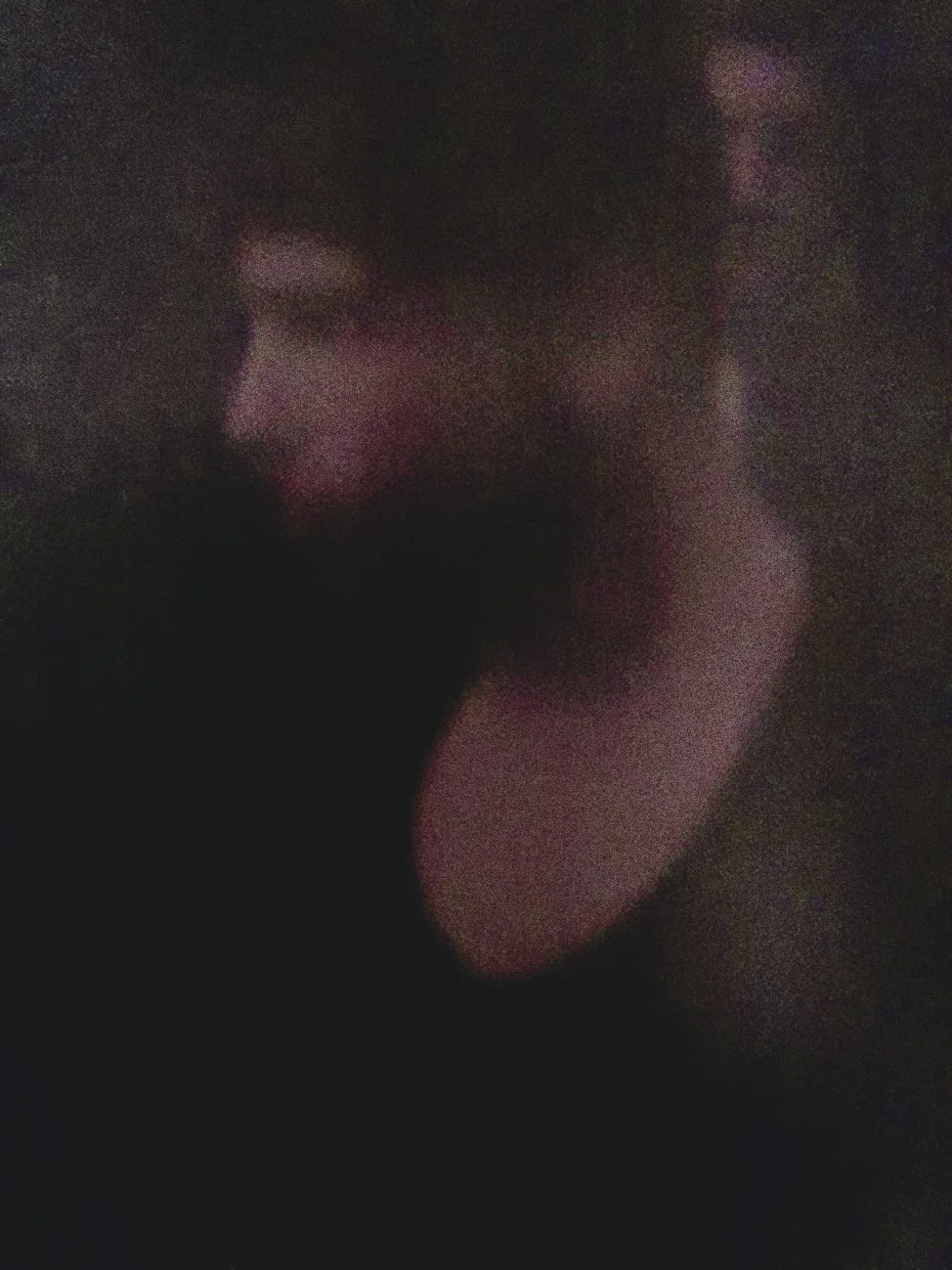
The faces in The People persist, but uncertainly. Eyes appear, then soften. Mouths form without fully holding expression. A cheek dissolves into surrounding darkness. In some images, the face seems to slide out of itself, its boundaries unstable. In one portrait, the head remains frontal, but the features drift; in another, a slight turn leaves less an outline than a residue.
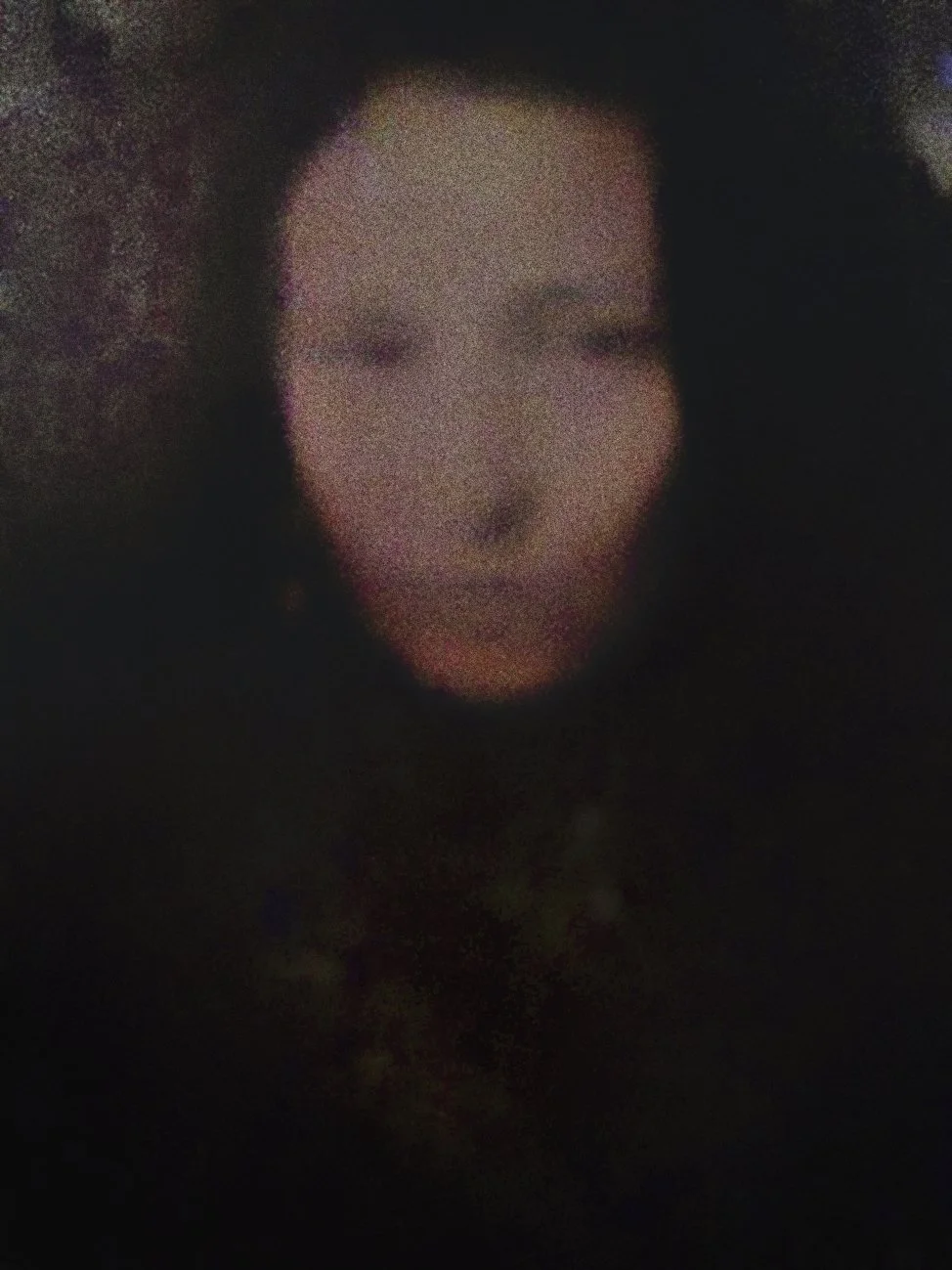
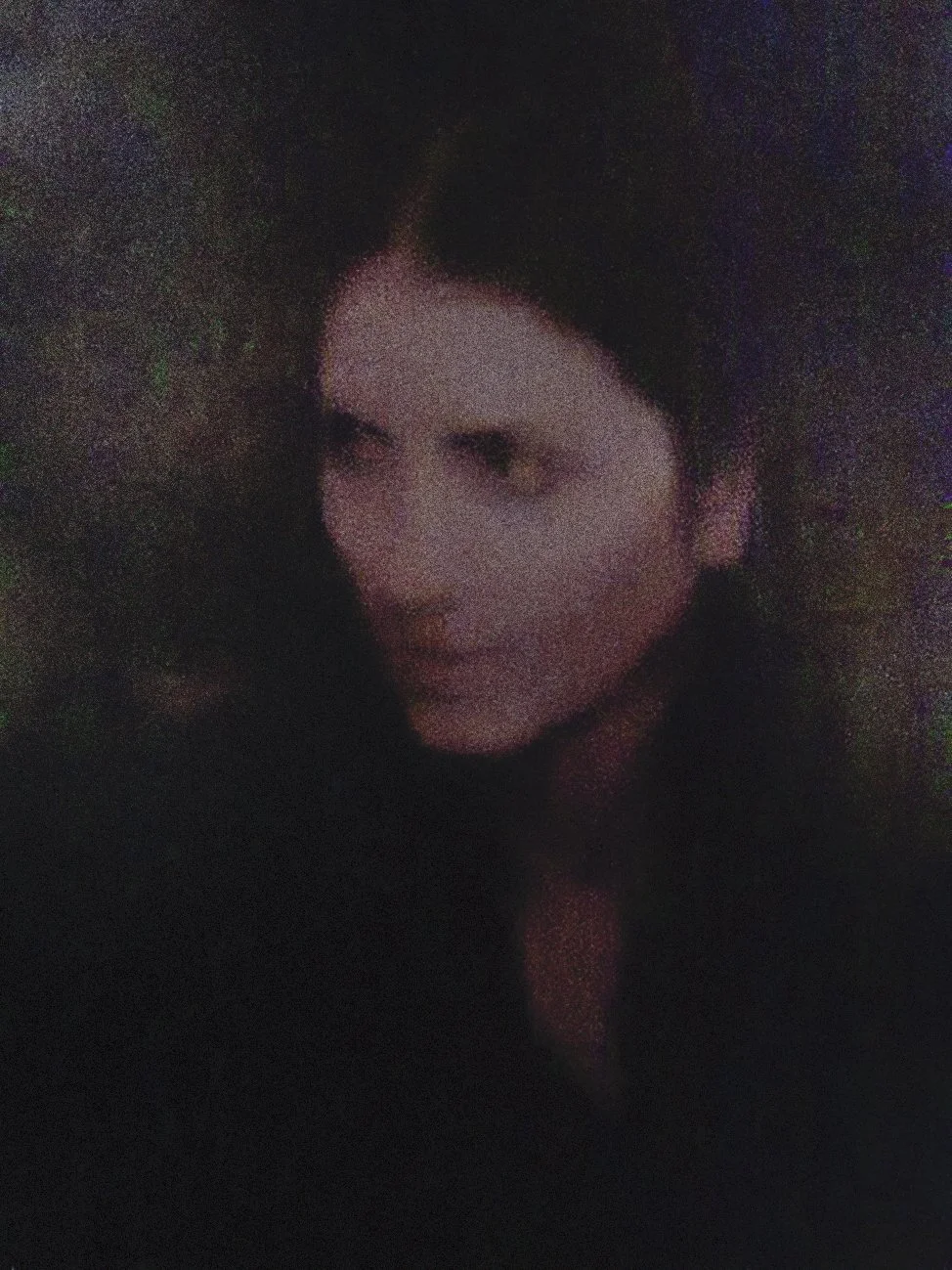
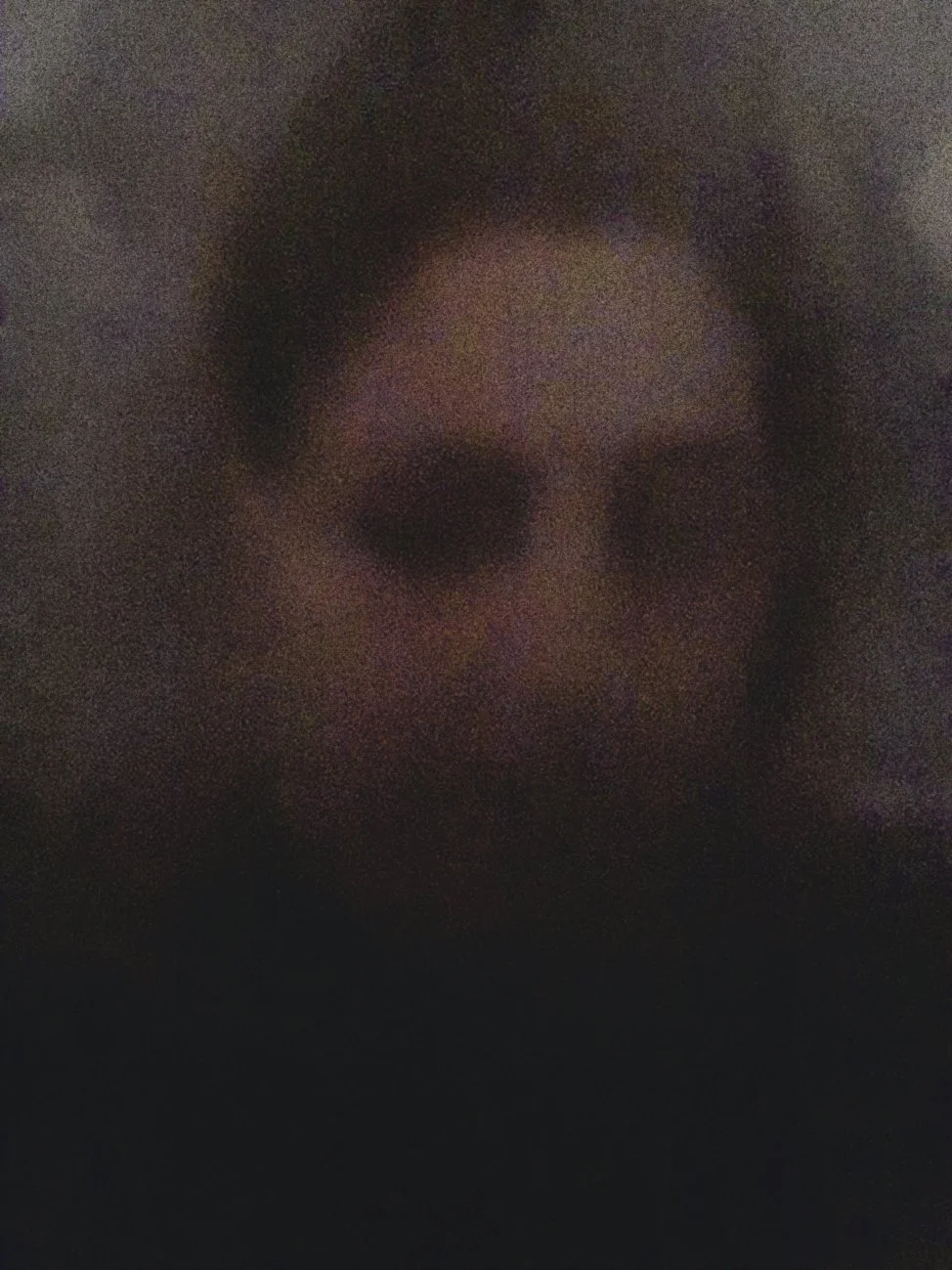
“This is not style,” he says. “It is a gradual fading.”
“People lose their sense of identity and dignity to the point where even self-recognition becomes uncertain.”
Dignity is not internal. It depends on being registered—socially, politically, structurally. When that recognition fails, dignity does not collapse dramatically. It thins. It withdraws. It is administratively erased.
“Repression deprives you of your identity and dignity to the point that you lose your ability to express yourself,” he says, “because you no longer know who you are.”
The body remains present. The structure no longer responds.
“A person becomes structurally invisible when their desires and demands are no longer acknowledged… their presence ceases to matter.”
Recognition shifts. Not refusal, but irrelevance.
“They have already been removed from the equation,” he continues. “Eventually, invisibility becomes something you carry.”
The blur does not sit on the surface. It settles into the body.
We keep walking. The trees thin unevenly. Not gone. Not present. Half-retreated.
“There is still movement,” he says. “They still want to believe they can act.”
Then, quieter:
“But each time resistance is suppressed, something wears down.”
Action erupts. It is contained. It leaves exhaustion.
“But they still try,” he adds. “That’s the part people don’t see.”
Another fracture opens.
If invisibility becomes internalized, if the body begins to inhabit its own erasure, what does it mean to photograph it?
Is the image resisting that disappearance?
Or does it risk stabilizing it—fixing it into a form that can be seen, circulated, even understood, without altering the condition itself?
The faces remain.
But what do they become once they leave?
As we move upward, the path opens slightly. Distance returns, but not fully. The afternoon remains undecided.
“When visibility and identity fail to stabilize,” Mehrdad says, “time begins to follow.”
The images hover. Faces seem caught mid-transition, but the transition never completes.
“A nation caught between past and future… between fight and fatigue… lingering in a limbo of expectation… where survival has become the only revolution.”
Limbo is not delay. It is maintenance.
“Everything is delayed,” he says. “Change, collapse, confrontation.”
Time cycles. Tension accumulates. Collapse is absorbed. Then it resets.
“Waiting becomes the only option… often waiting for something irrational.”
Not because people are naïve.
Because reality has stopped offering usable alternatives.
Hope is not removed. It is calibrated.
“The system maintains just enough possibility… Even ‘almost’ becomes something you hold onto.”
When I press him on what happens if hope disappears entirely, he answers without pause:
“Like in my portraits, people would turn into images—images of the deceased, a remembrance.”
Not death as event.
Something slower.
Something that resembles persistence without agency.
Near the Boathouse, the park shifts again, but not only atmospherically. The structure itself carries a history that no longer aligns with its function. It once held boats, movement, passage across water. Now it hosts weddings, dinners, curated gatherings—events designed to stage intimacy, to formalize presence, to turn encounter into arrangement.
The transformation is quiet, almost polite, but it marks something larger: a displacement of use by performance.
What once facilitated movement now organizes appearance.
Standing there, it becomes difficult to read the space as neutral. It feels closer to a set than a site, a place where bodies assemble not to move through something, but to be seen within it.
The Boathouse no longer holds transition. It holds presentation.
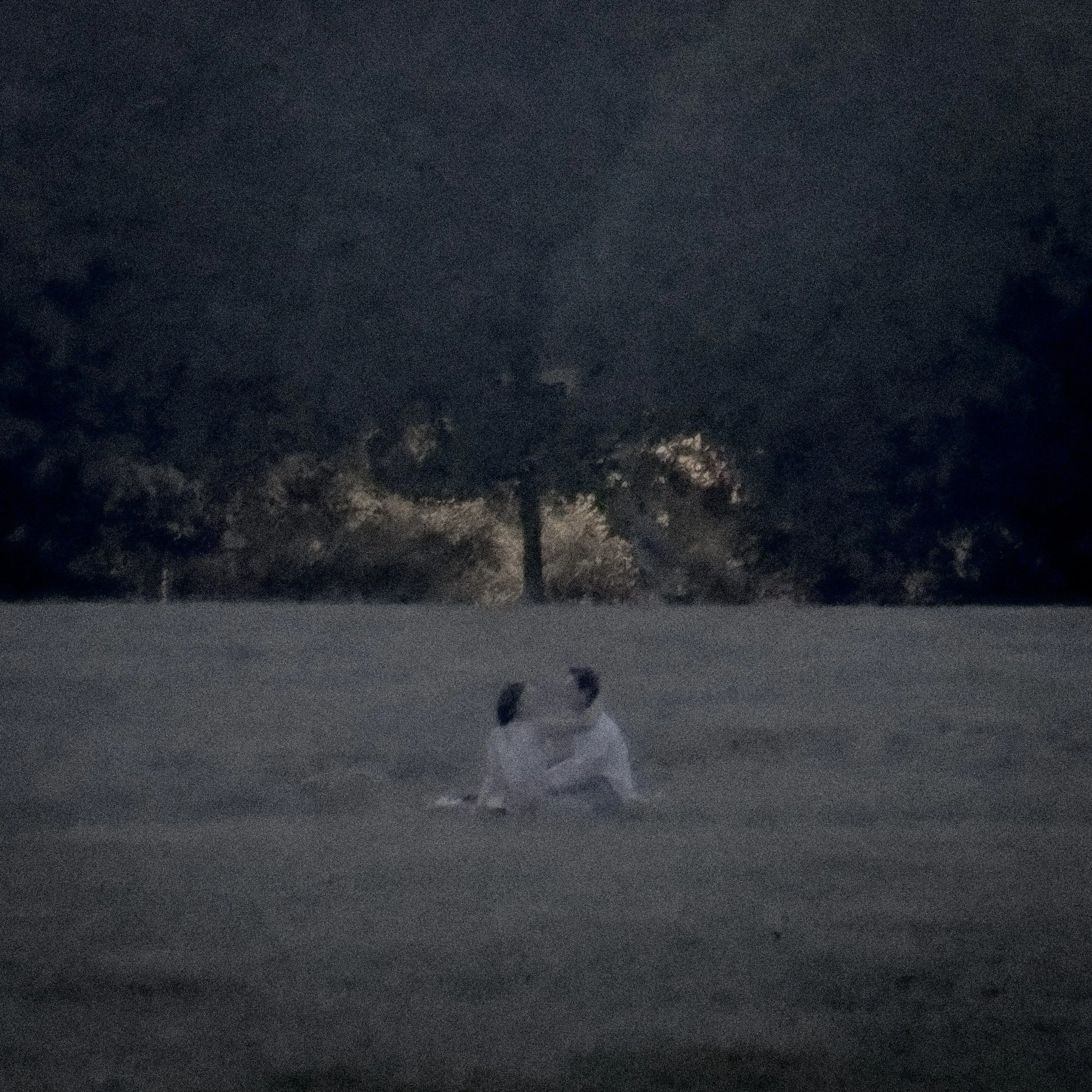
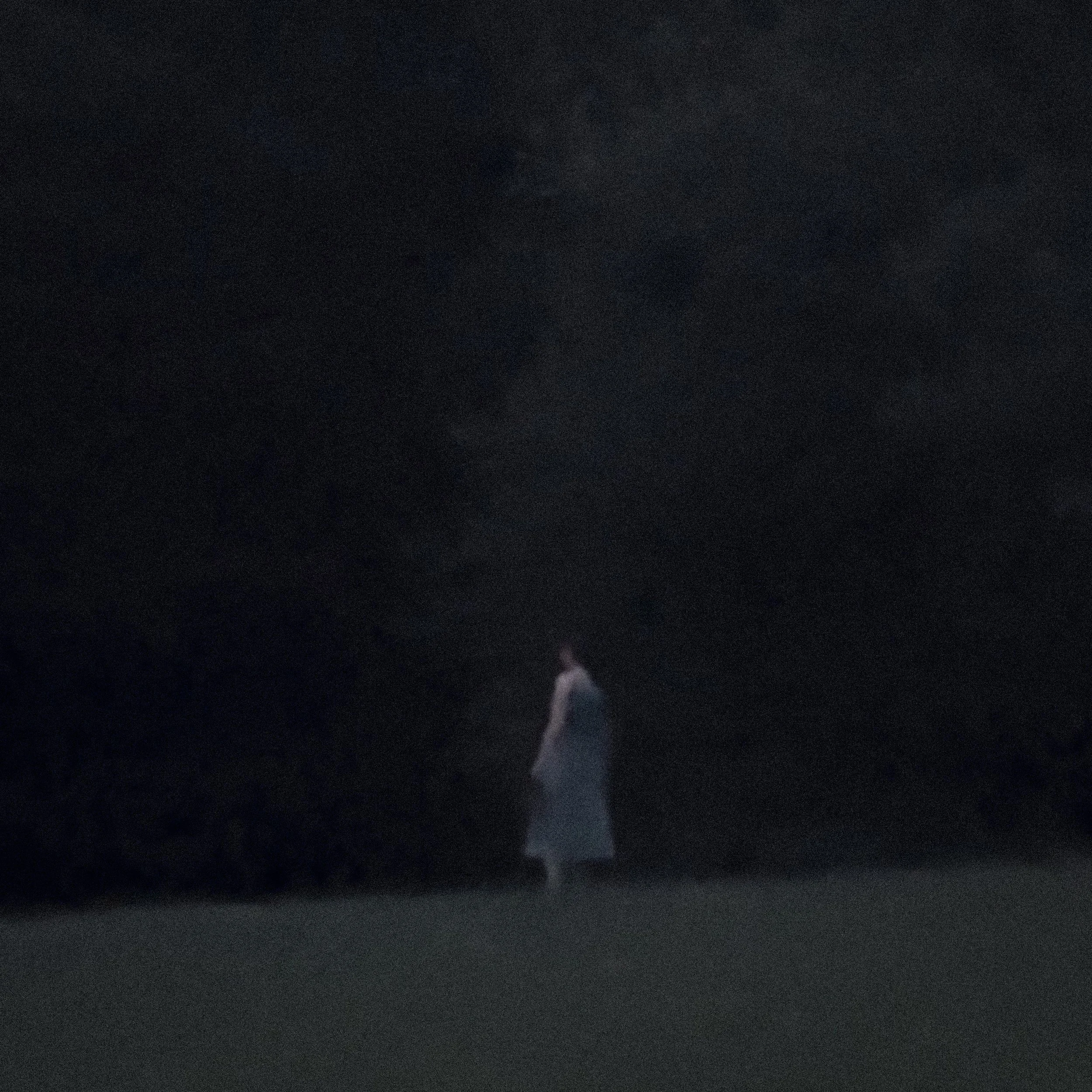
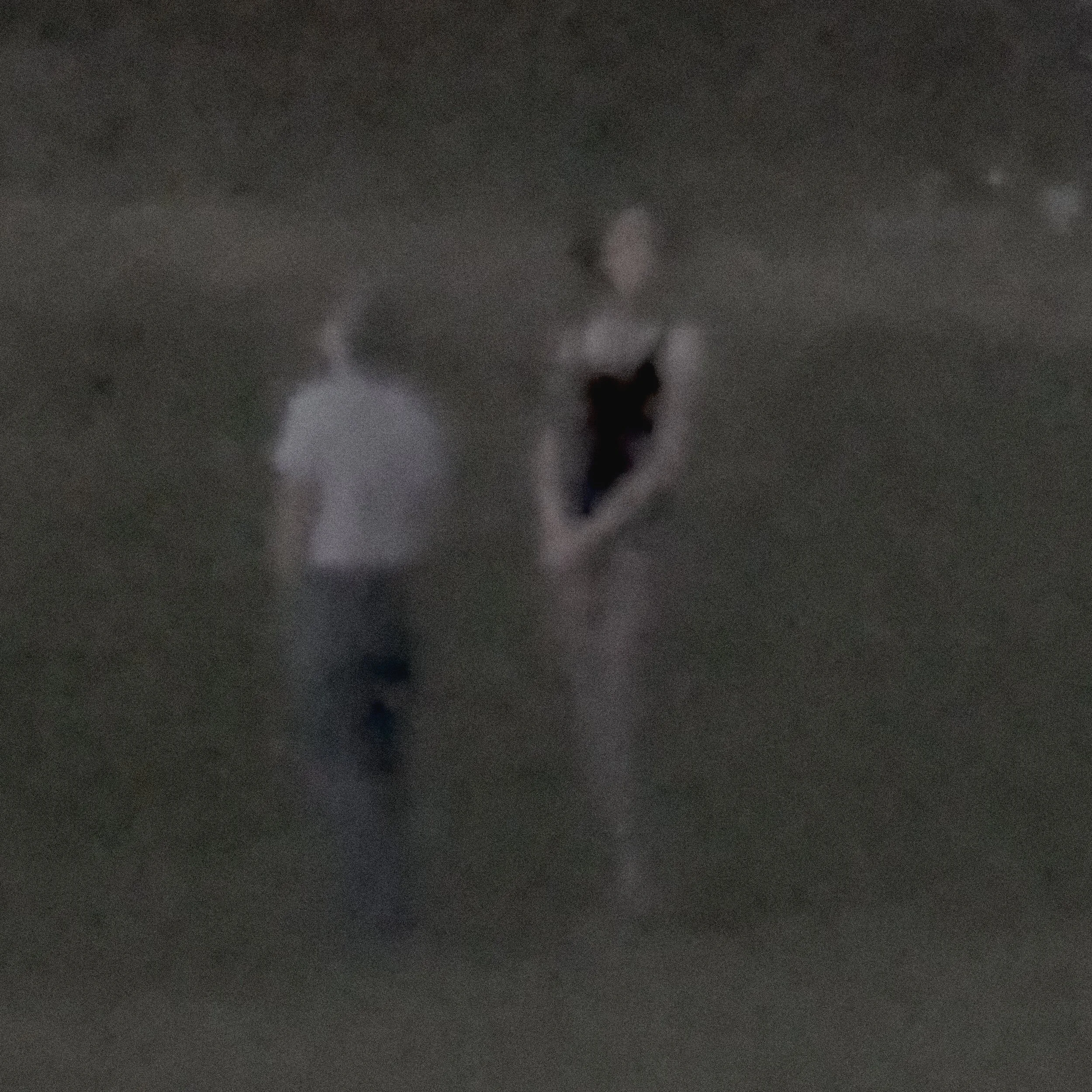
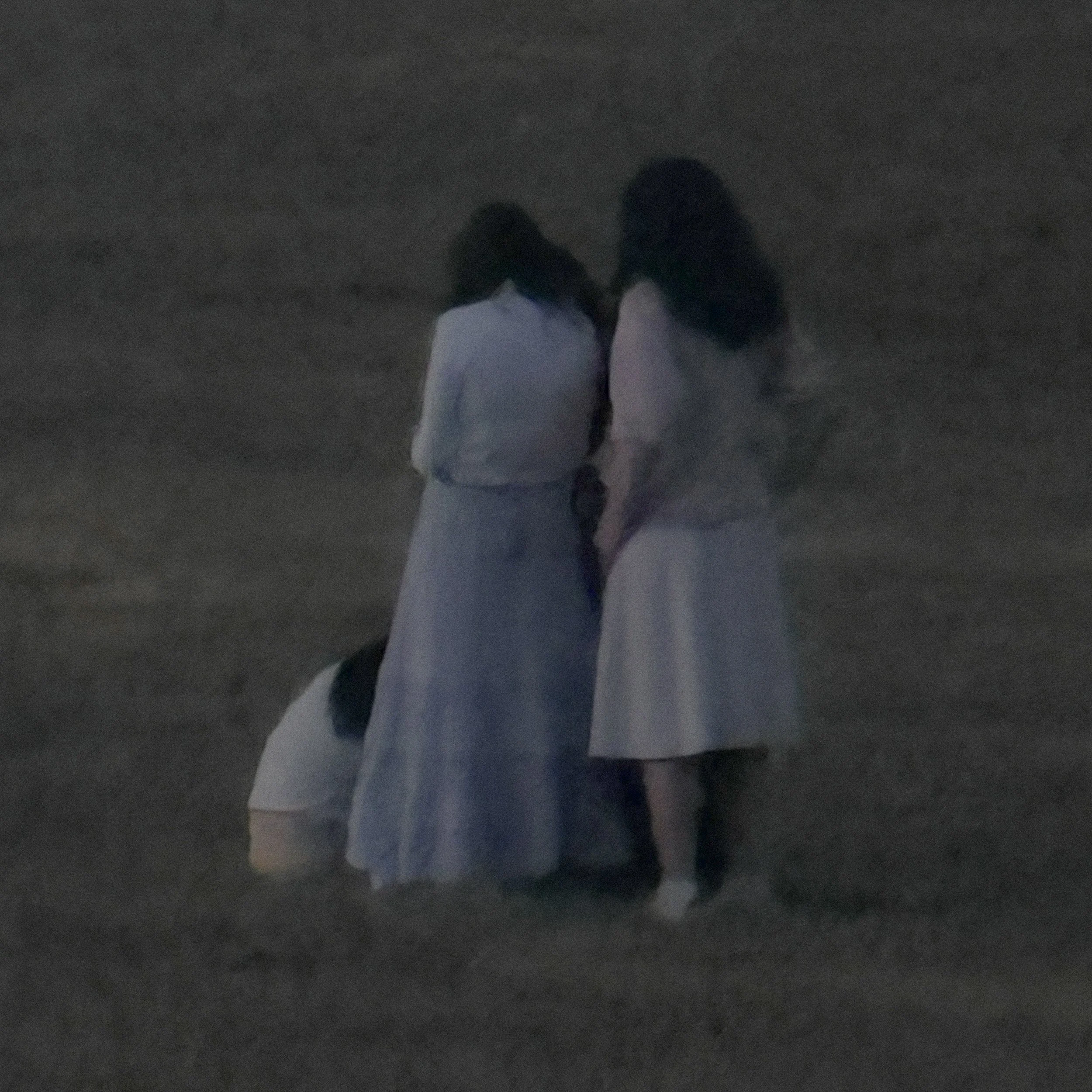
In Rehearsals, bodies occupy open space. They stand apart, gather loosely, lie down as if caught between instruction and rest.
“They can be seen without fear,” he says.
That matters.
But then:
“They are still performing.”
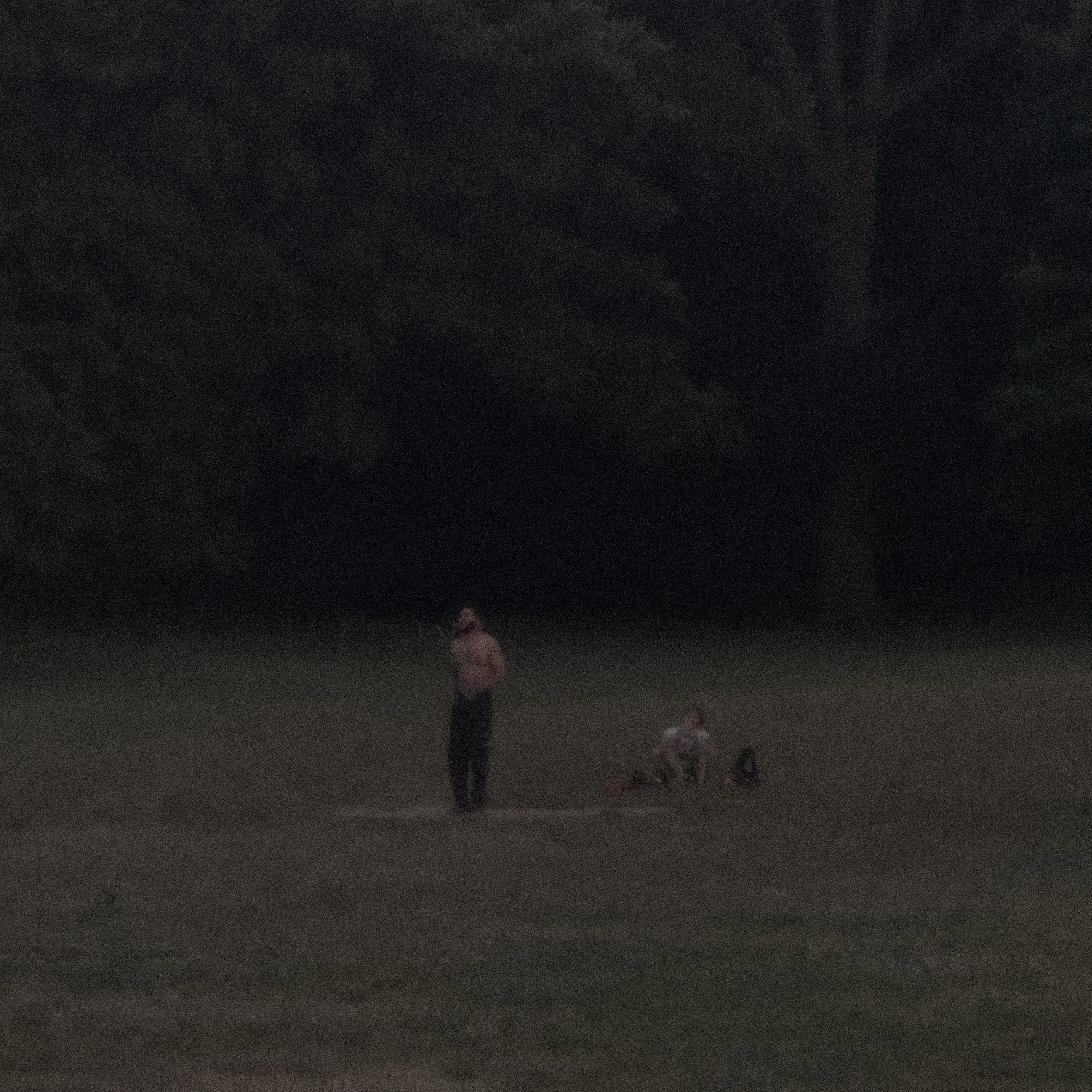
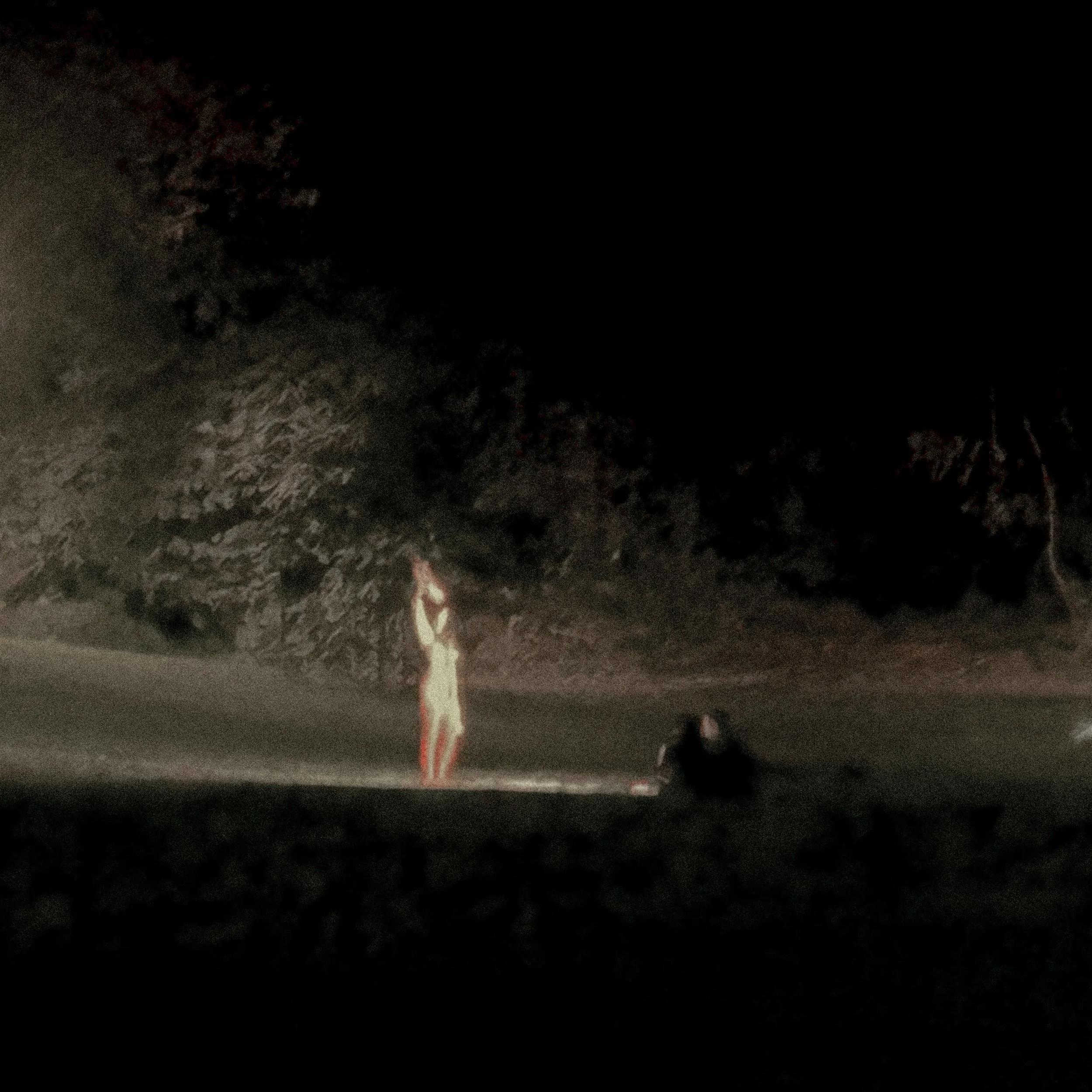
The question of whether these figures are freer—or simply performing freedom more convincingly—doesn’t resolve cleanly.
“The act of performance… embodies self-exposure, expression, and revelation. Even if they are performing freedom, it is still a sign of freedom.”
Time enters again.
“It is a matter of time,” he says. “Living under a dictatorship fades your boldness into grayness. Living in a free society gives you the confidence to express yourself.”
But he does not romanticize it.
“Even self-performance carries expression. Repression removes it.”
And then:
“Through media and society, individualism is limited in favor of collective success… even though dreaming is the most individual human capacity.”
The pressure does not disappear.
It shifts.
Tehran enforces disappearance.
New York organizes appearance.
Both produce subjects.
Under Endale Arch, the rain returns. Sound slows, thickens, comes back to us.
“Fear reduces society to stillness,” he says. “What remains is survival.”
When I ask whether the system ever needed to appear legitimate, he answers without softening it. “They try to present themselves as serving the people. But when threatened, they will do anything necessary—even if it destroys that image.”
Externally, he is more direct. “It is largely willful blindness… sustained by political and economic interests.” Then, more precise: “It is not just that others benefit. The condition becomes useful.”
Iran’s isolation becomes productive. Markets reorganize around it. Institutions stabilize around its crisis.
“The regime is often seen as just a flawed government,” he says. “But many experience it as something else entirely… a power holding a country—and its people—hostage.”
He doesn’t emphasize it. He doesn’t need to.
On the way back, the path repeats without feeling identical.
“As an artist in exile,” he says, “distance gives me a clearer view.” Then, quieter: “It also anchors me… it keeps me from falling apart.”
Exile does not resolve the structure. It repositions it.
The images move through systems they do not control. They circulate. They are viewed, interpreted, absorbed. “Images can confront,” he says, “but people also learn how to look at them without changing anything.”
And the essay folds back on itself.
Because this text will do the same. It will be read. Positioned. Interpreted. It will try to hold something that does not hold.
When we step back onto Garfield Street, nothing has happened. No event. No resolution. Just rain. Walking. Repetition.
But repetition has altered the map.
The city remains. The skyline still hesitates. The air still carries weight. The faces remain. They do not sharpen.
Nothing has changed visually.
But something has shifted in how it can be read.
Greyness is no longer weather. It is pressure.
Blur is no longer style. It is condition.
Waiting is no longer patience. It becomes something else—a structure that holds people in place.
Performance is no longer freedom. It reads as choreography already in motion.
The images never explained themselves. They held their condition until it could no longer be mistaken.
Nothing changed visually.
And still—
something refuses to settle.
Which is probably the only honest place to stop.
All images © Mehrdad Naraghi. Courtesy of the artist. www.mehrdadnaraghi.com